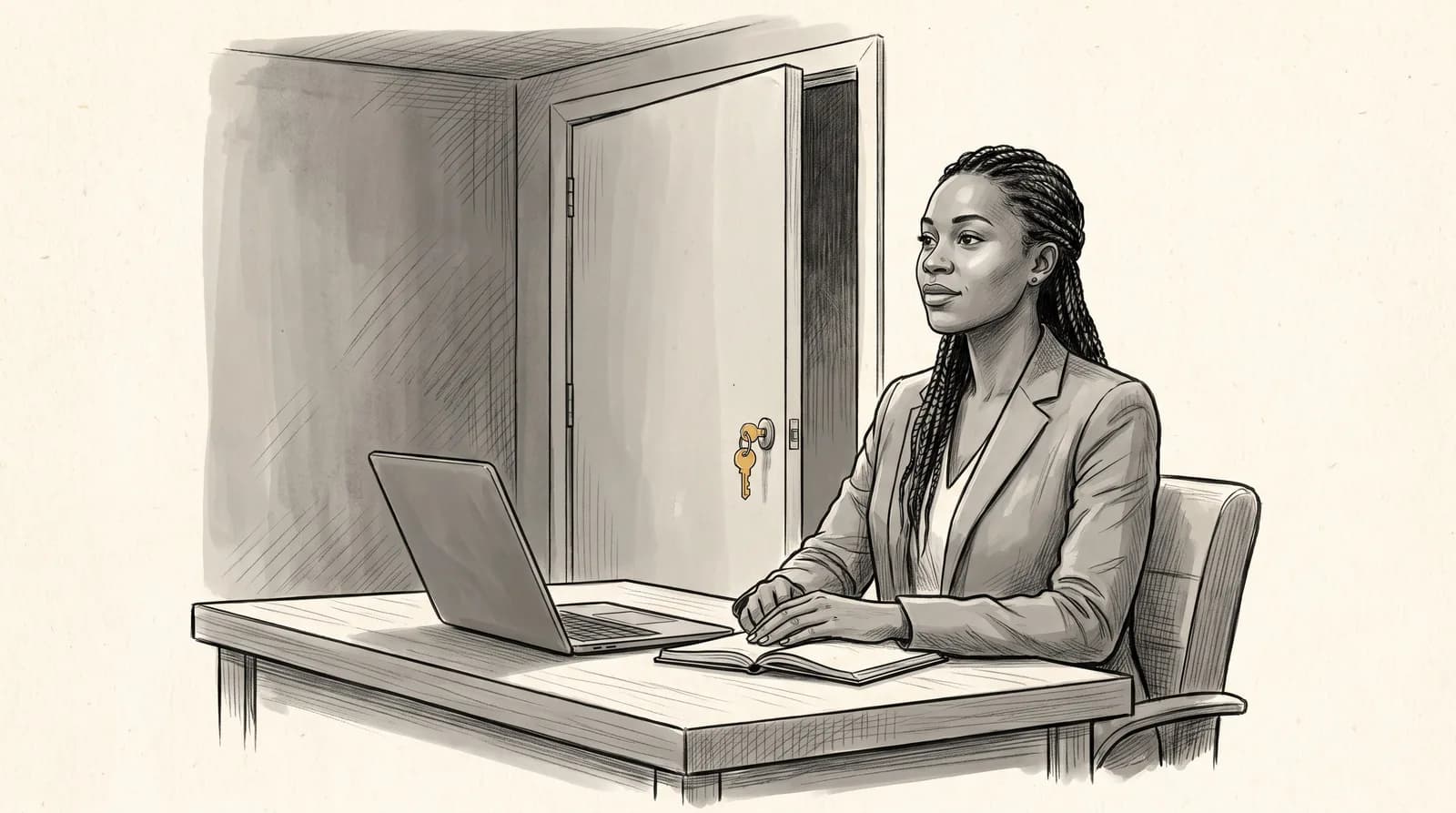
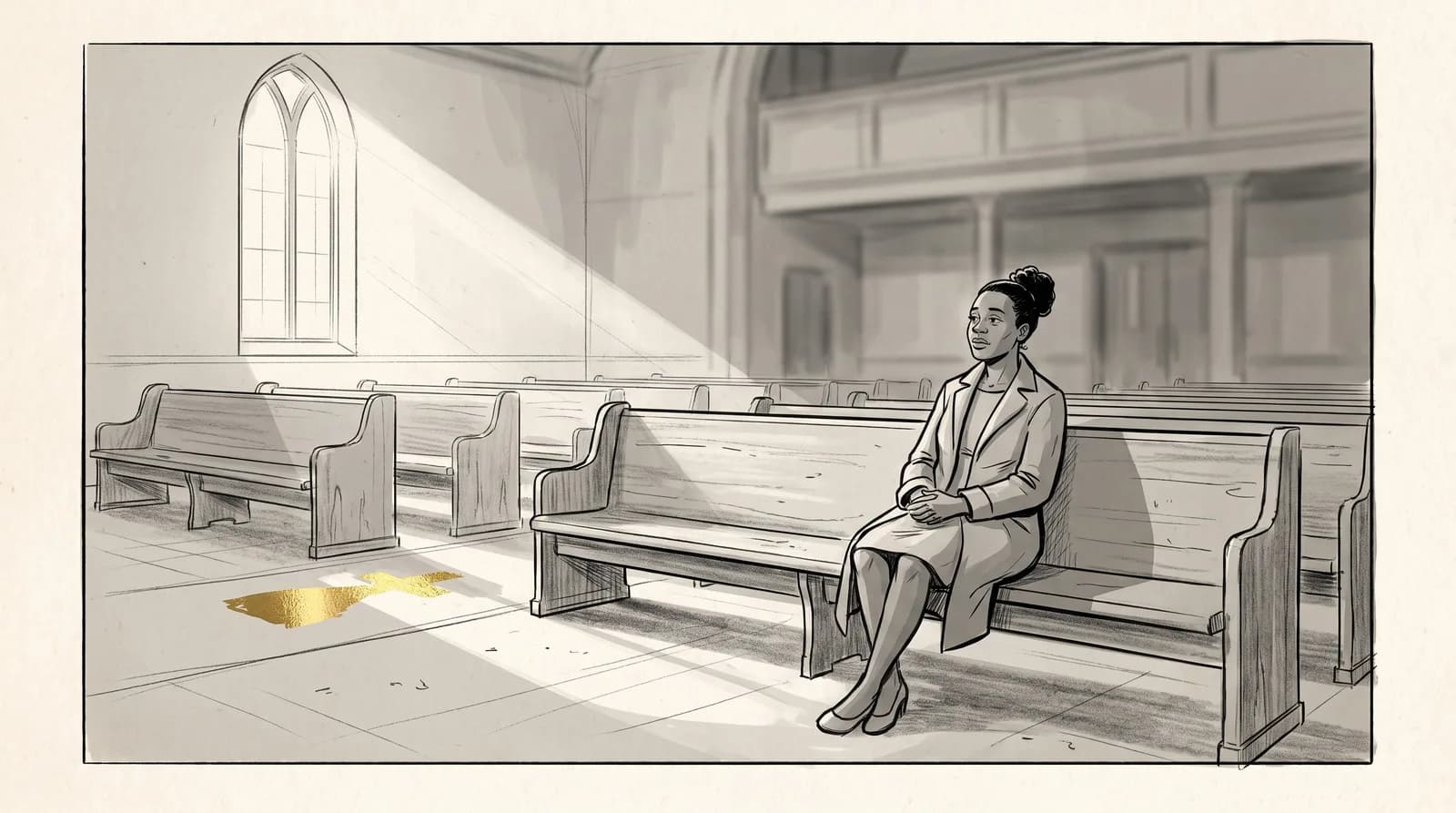
There is a kind of tiredness that only people of faith will recognise. It is the tiredness of being fine in public.
You turn up. You serve. You say the right things when someone asks how you are, because the alternative is a conversation nobody has time for before the service starts. And somewhere inside, a prayer has gone unanswered for so long that you have stopped mentioning it, even to God.
I know this tiredness from the inside. Chronic illness does not pause for Sunday. Neither does a late diagnosis, or a season where the thing you were sure you were called to has gone quiet.
In many of the communities I love, including African and faith communities, chronic illness gets minimised and neurodivergence gets masked. Prayer is offered where practical support is also needed, and staying busy becomes proof that you are fine. None of this comes from cruelty. It comes from a script. The script says that faith looks like strength, that strength looks like coping, and that coping looks like never needing anything.
That script is a performance. And performance is exhausting.
Faith without performance is not faith without effort. It is faith without pretending. It is being able to say, in the same breath, that God is good and that this year has been brutal. It is turning up with what you actually have rather than what you think the room expects.
Three things have helped me hold it.
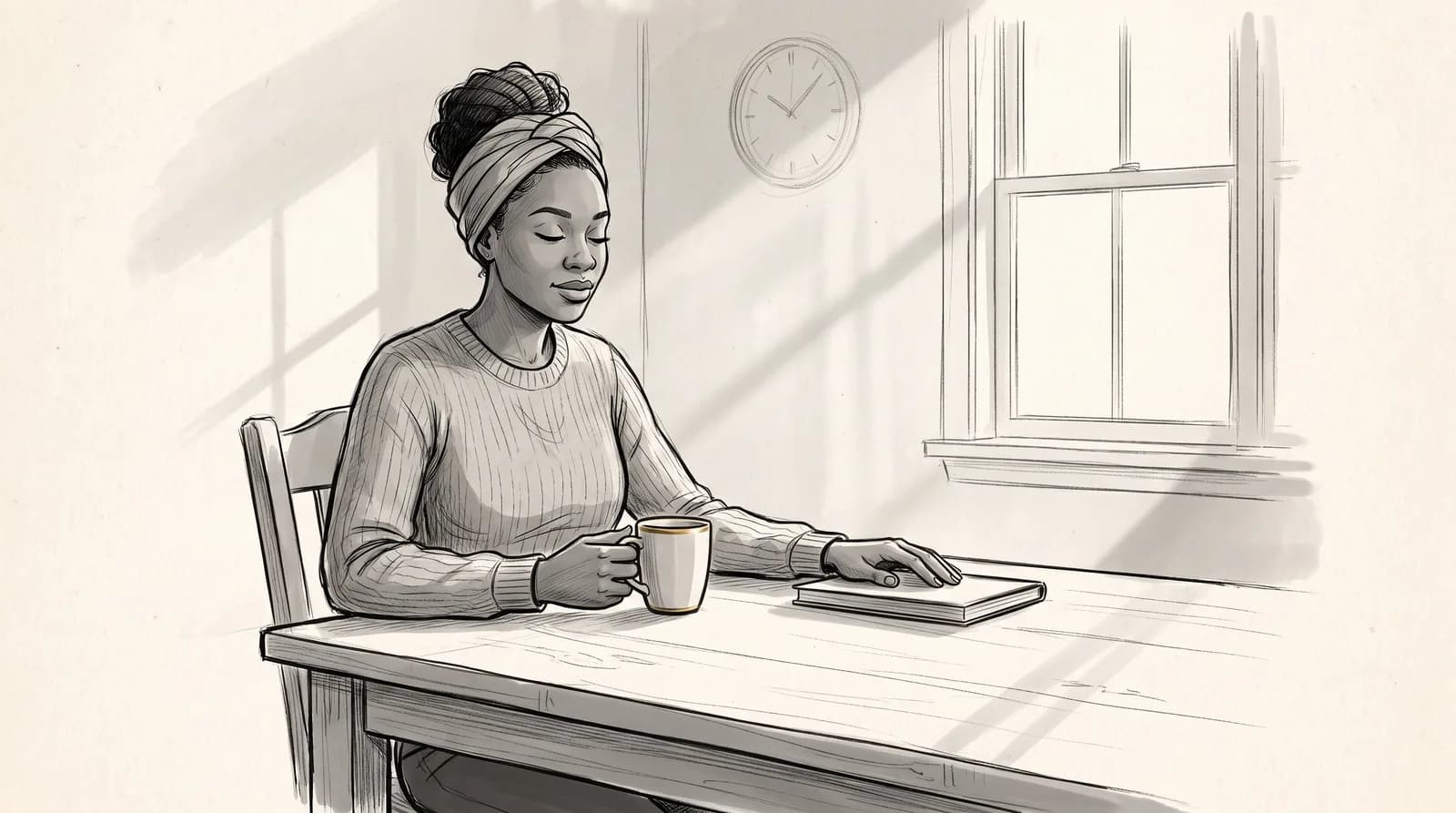
I stopped treating rest as a lapse
Rest is in the architecture of the faith I practise. It was built in before anyone had earned it. When I rest, I am not falling behind on my calling. I am keeping the terms of it.
I let the unanswered prayer stay in the room
I do not explain it away and I do not hide it. Some things get harder because we are expected to hide them. An illness nobody can see. A diagnosis that came late. A prayer that has not been answered. Hiding them does not protect anyone. It just leaves people alone with them.
I separated calling from output
A calling is what you carry. Output is what you produce on a given day with a given body. The first is steady. The second moves with your capacity, and that is allowed.
If you lead in a church or a ministry, here is the quiet invitation in all of this. Make room for the unsaid. Ask how people are, and then ask again. Offer prayer and practical support in the same sentence. You will be surprised who starts breathing.
And if you are the one who has been performing, you can put it down. Not your faith. Just the performance. God was never watching the show. He was waiting for you.