
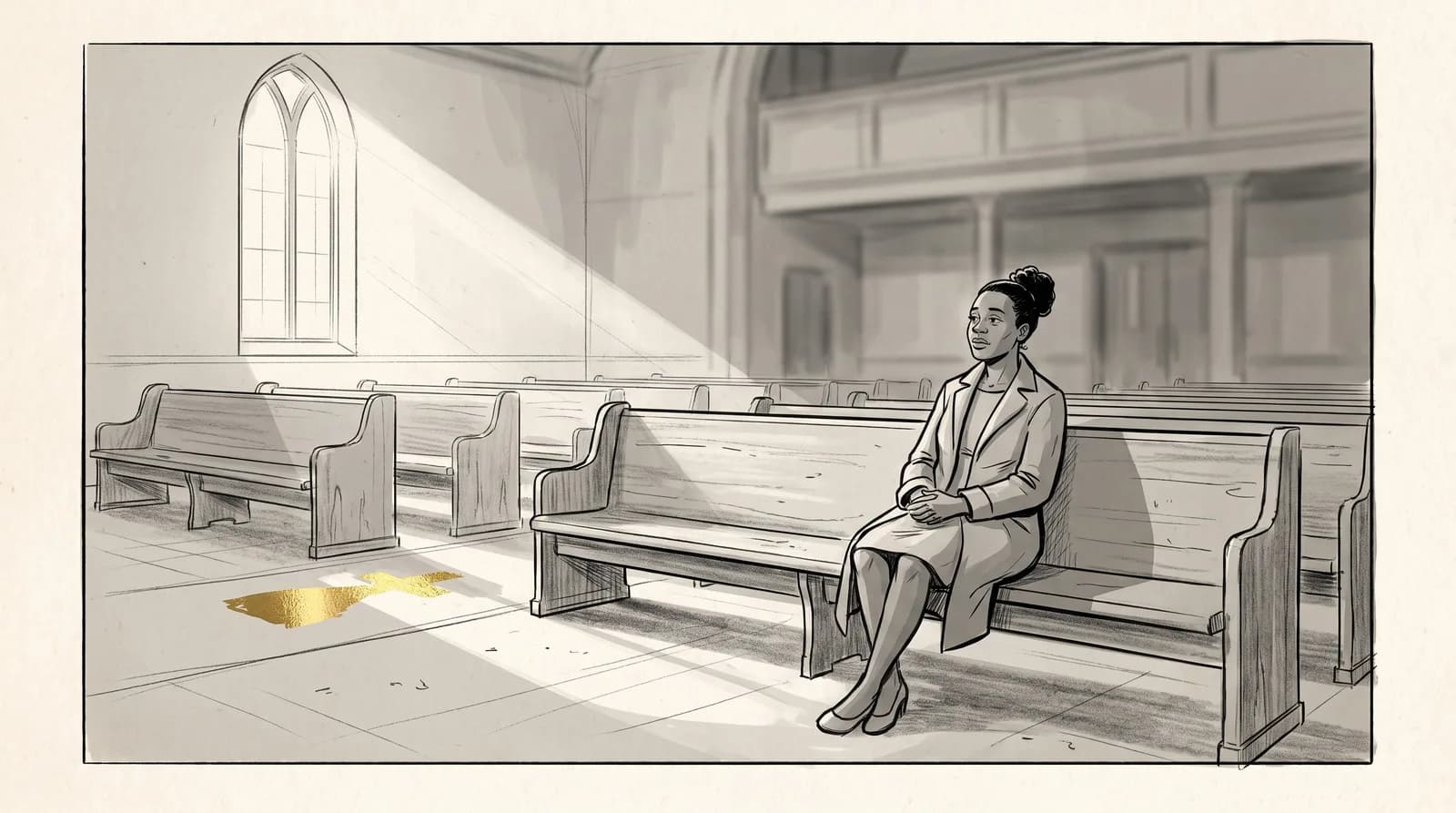
The hardest sentence I have ever had to learn was not in a language I studied. It was in English, and it was four words long. I need some help.
If your illness is invisible, or your mind works in a way nobody around you has noticed, you already know why that sentence is hard. You look fine. You have a record of coping. The moment you ask, you are asking someone to believe something they cannot see, and to adjust for it.
So most of us do one of two things. We do not ask, and we pay for it later. Or we ask with a ten-minute explanation attached, apologising the whole way through, until the other person is more tired than we are.
There is a third way. It is shorter than both.
Say what you need, not what you have
Nobody needs your diagnosis to pass you the lighter box, move the meeting to the afternoon, or send the notes in writing. They need the request. “Could we do this at two instead of nine? Mornings are hard for me.” That is a complete sentence. The explanation is optional, and it is yours to give or keep.
Name the cost, not the symptom
People who cannot see your condition can still understand cost. “If I do the whole day on my feet, I lose tomorrow.” “If the instructions are only spoken, I will get them wrong.” Cost is a language everyone speaks. It turns a private experience into a practical fact the other person can work with.
Make it easy to say yes
Offer the shape of the help. “Could you take the first call and I take the second?” “Could you send me that as a list?” A specific request gets a specific answer. A vague one gets sympathy, and sympathy does not move the meeting.
Ask before the crash, not after it
This is the one I failed at for years. I asked for help when I was already on the floor, which meant the other person was dealing with an emergency instead of a plan. The HAWFA Check-In exists for this reason. HAWFA? means how are you? It is the greeting we answer without thinking. Ask it again, and again, until the true answer comes out. Then make the request while you still have the words.
Expect to repeat yourself
The person who helped you in March will forget by June. That is not disrespect. It is the nature of a need nobody can see. Repeating the request calmly, in the same short form, is part of the work. It is also how a room slowly learns to make space without being asked.
I built Words for Asking for Help because I was tired of writing these sentences from scratch every time. It gives you clear words for asking for help and explaining needs other people cannot see, without over-explaining. Use it when the four words will not come.
And when they do come, notice something. The people worth keeping around do not need the whole story. They need to know what would help. Give them that, and let them help.